25 Mistakes to avoid when visiting Italy
Italy, with its rich history, stunning landscapes, and delectable cuisine, is a dream destination for many. Over the past eight years of traveling and living in Italy, I’ve learned a great deal about the cultural customs that make this country unique. While the language and cuisine often take center stage, there are numerous subtleties that can enhance your experience or lead to misunderstandings if overlooked. To help you navigate your Italian adventure smoothly, here are 25 common mistakes to avoid.
1. Cappuccinos Are for Mornings Only
In Italy, cappuccinos are traditionally enjoyed only in the morning, typically with a brioche for breakfast. Ordering one after midday, especially with lunch or dinner, will likely earn you a few raised eyebrows. While the trend is slowly changing, it's best to stick to the morning routine for this frothy delight.

2. Espresso Is the Default Coffee
When you ask for a 'coffee' in Italy, expect an espresso. It's a short, strong shot of coffee, and if you prefer something longer, you should specifically ask for an Americano or a caffe latte. Not all establishments will list Americano on the menu, but the staff will usually understand your request.
3. Beware of Scam Coffee Drinks
In tourist hotspots, particularly around major attractions like the Vatican, there have been instances where visitors are overcharged for coffee. Stick to standard espresso-based drinks and be wary of terms like 'doppio cappuccino' or 'doppio Americano,' as these don't exist in traditional Italian coffee culture.
4. Standing Is Cheaper Than Sitting
Coffee prices can vary significantly depending on where you consume it. Drinking your coffee at the counter is much cheaper than sitting down at a table. For instance, an espresso might cost €1 at the counter but double or triple that if you sit down.
5. No Parmesan Cheese on Fish Dishes
While Parmesan cheese is a staple on many Italian dishes, it is considered a faux pas to sprinkle it on fish. In Italy, the practice of adding Parmesan to fish is seen as inappropriate because it overwhelms the delicate flavors of the seafood.
6. Eggs Are Not a Breakfast Staple
Contrary to the hearty American breakfast, Italian mornings are typically sweet, featuring pastries like brioche or cornetti. Eggs, particularly scrambled or fried, are not commonly found on the breakfast menu unless you are staying at an international hotel.
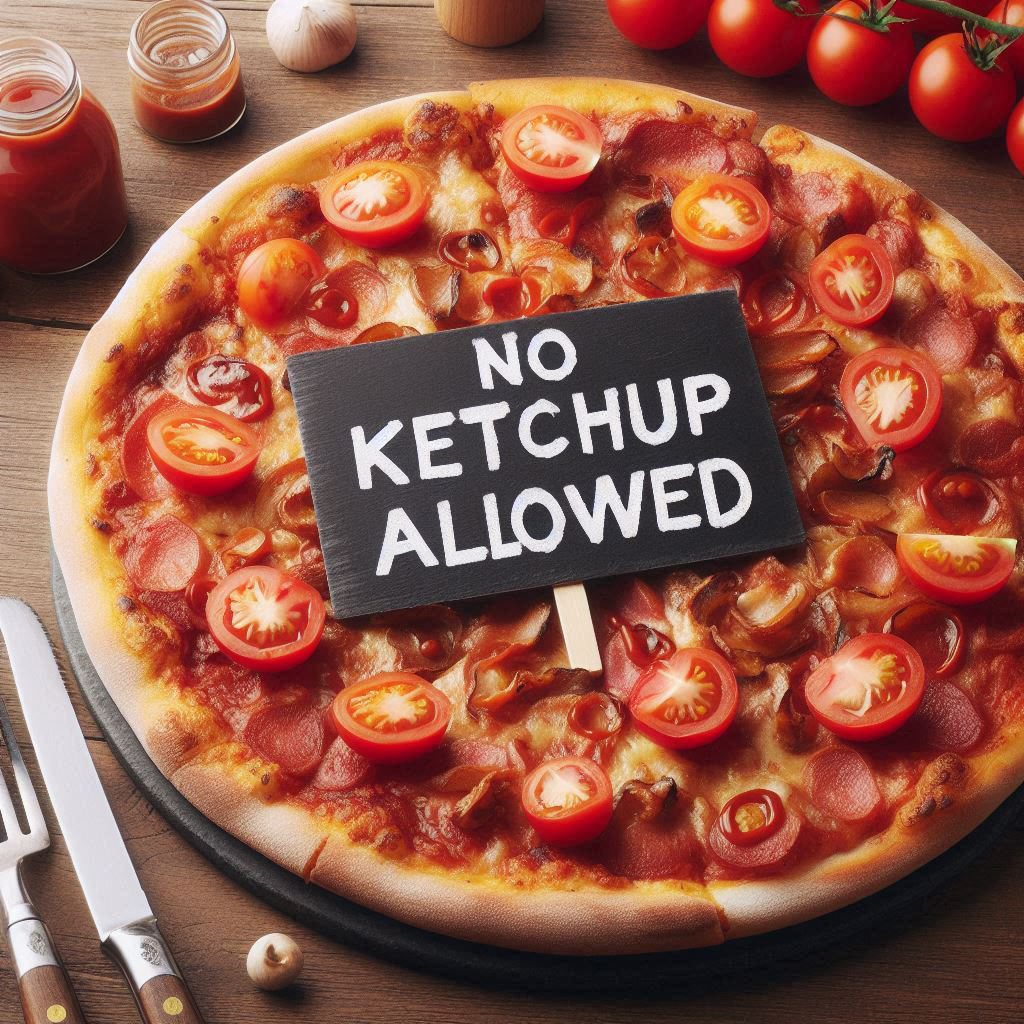
7. Avoid Ketchup on Pasta or Pizza
Italians take great pride in the flavors of their cuisine, and adding ketchup to pasta or pizza is considered an affront to the dish's authenticity. Stick to the traditional sauces and seasonings to truly appreciate the culinary artistry.
8. Flip Flops Are for the Beach
Even during the sweltering summer months, Italians reserve flip flops for the beach. When exploring cities or historic sites, opt for more formal footwear. Flip flops are seen as too casual and inappropriate for city wear.
9. Dress Modestly for Church Visits
Italy's churches, especially the grand cathedrals like those in Rome and Florence, require modest dress. Ensure your shoulders are covered and your skirts or shorts are knee-length when visiting these sacred sites. Some places even provide ponchos if you are not appropriately dressed.
10. Plan Your Transportation from Venice Airport
Venice can be confusing for first-time visitors, as the city center is not directly accessible from the airport. Ensure you have booked transportation in advance to reach the vaporetto (water bus) port. This can save you from the hassle and stress of figuring it out on arrival.
11. Book Dinner Reservations Late
Italians typically dine late, with dinner starting around 8 PM or later. To immerse yourself in the local culture, make your dinner reservations for a later time than you might be used to.
12. Pre-Order Taxis
In Italy, you can't hail a taxi off the street as you might in New York or London. Taxis need to be pre-booked, either through a phone call or via your hotel or restaurant. Uber operates only in Rome and Milan and functions more like a limousine service.
13. Be Wary of Restaurants with Aggressive Staff
In tourist-heavy areas, some restaurants employ staff to lure customers inside. These places often charge higher prices and may not offer the best quality. It's generally better to choose a restaurant that lets its menu and ambiance speak for itself.
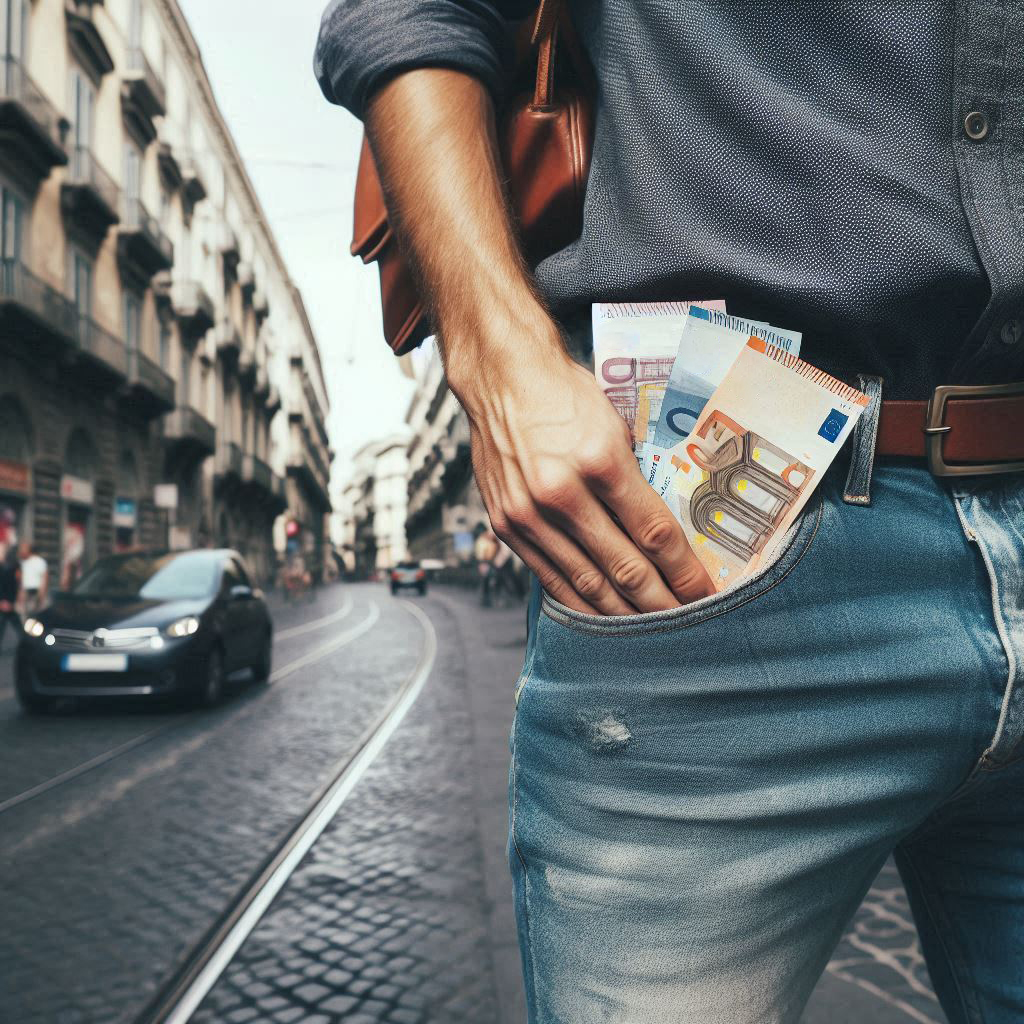
14. Carry Cash
While credit cards are widely accepted, many smaller establishments and market vendors prefer cash. Having some cash on hand can save you from awkward situations and is often appreciated by local businesses.
15. Don’t Ask for Well-Done Steak
Florence is famous for its Bistecca alla Fiorentina, a thick cut of steak best enjoyed rare. Asking for it well done ('ben cotta') is unusual and alters the intended flavor and texture of this regional specialty.
16. Mind the Siesta
Similar to Spain, many Italian shops and businesses close for a few hours in the afternoon, typically from 12:30/1 PM to 3:30 PM. Plan your shopping and errands around these hours to avoid inconvenience.
17. Arrive at Restaurants During Proper Mealtimes
Italian restaurants have specific opening hours for lunch and dinner. Lunch service usually ends by 3 PM, and dinner service times can vary by region. In some areas, kitchens close early, so be sure to arrive on time.
18. Be Cautious About Football Affiliation Discussions
Football (soccer) is a passion in Italy, and allegiances can run deep. In Naples, avoid mentioning support for rival teams like Juventus to steer clear of potential conflicts.
19. Pronounce ‘Grazie’ Correctly
A simple ‘thank you’ can go a long way, but it’s important to pronounce ‘grazie’ correctly as ‘graht-see-eh’ rather than ‘grat-zee.’ Italians will appreciate your effort to get it right.
20. Use ‘Ciao’ Sparingly
‘Ciao’ is an informal greeting best used with friends and people younger than yourself. In formal settings, opt for ‘buongiorno’ (good morning/day) or ‘buonasera’ (good evening) instead.
21. Minimize English Usage
Although many Italians working in tourism speak English, using simple Italian phrases shows respect and can enhance your travel experience. Apps like Duolingo or Babbel can help you learn basic Italian before your trip.
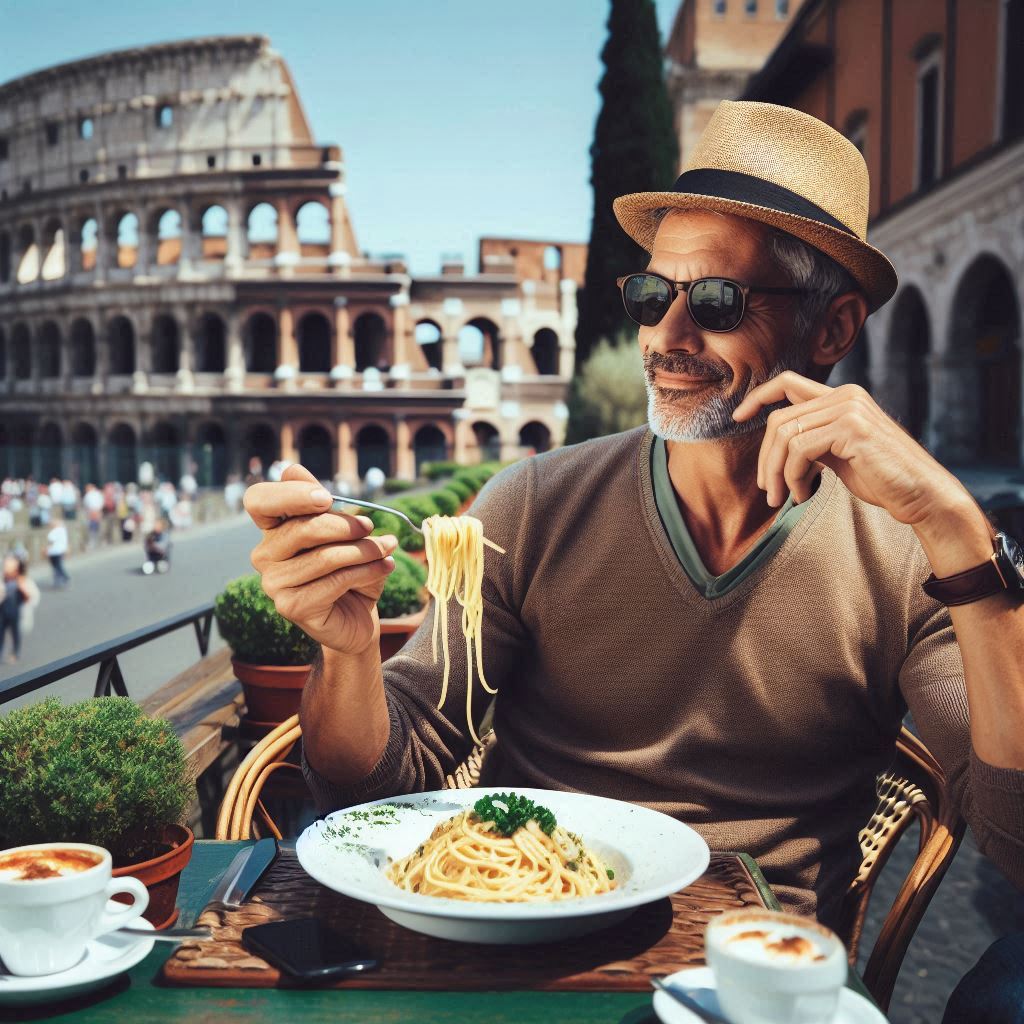
22. Quiet Eating
Eating noisily is considered impolite in Italy. Avoid slurping your spaghetti or making sounds while eating and drinking. Italians appreciate quiet dining etiquette.
23. Swim Only in Designated Areas
Swimming in historic fountains or Venice’s canals is prohibited. Instead, enjoy swimming in designated areas like the beautiful lakes and beaches around the country.
24. Avoid Direct Eye Contact in Naples
In some areas, like Naples, it’s advisable to avoid direct eye contact with strangers to prevent misunderstandings. Keep your gaze straightforward as you navigate the streets.
25. Mind Where You Eat
Enjoying street food is part of the Italian experience, but avoid eating in inappropriate places like public transport or leaning against monuments. Italians prefer to eat in designated dining areas or at home.
By keeping these tips in mind, you can enhance your Italian adventure and immerse yourself in the local culture more deeply.